
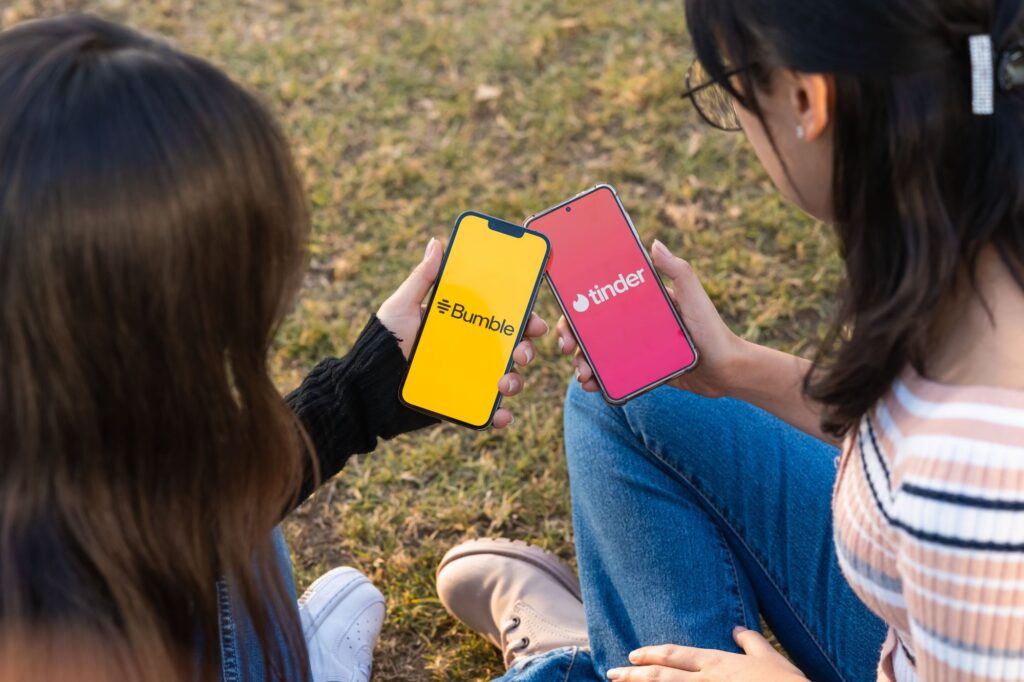
If opening a dating app has started to feel more like a chore than a chance to meet someone, you’re not alone. Across Australia, huge numbers of people are swiping, matching and messaging, and a growing number are quietly worn out by it. Dating app fatigue is the tiredness, flatness and low-grade dread that can build up after months or years of online dating. It’s not a sign that you’re doing something wrong, or that you’re too fussy. It’s a very human response to a way of meeting people that asks a great deal of us.
In 2026, with dating apps woven into everyday life, that exhaustion has become one of the most common experiences singles talk about. Here’s why modern dating feels so draining, and what can help.
What dating app fatigue actually is
Dating app fatigue is the emotional and mental exhaustion that builds up from prolonged online dating. It tends to arrive slowly. At first the apps feel fun and full of possibility. Over time, the endless swiping, the small talk that goes nowhere and the matches that quietly fade can leave you feeling drained before a date has even happened.
It often shows up as a loss of enthusiasm. You open an app out of habit rather than hope, and close it feeling a little worse than before. You might feel cynical about the whole process, quick to assume nothing will come of it. For many people it overlaps with dating app anxiety: the nervousness, second-guessing and self-consciousness that can come with putting yourself out there to be judged on a few photos and a one-line bio.
Fatigue and anxiety tend to feed each other. The more tiring dating becomes, the more pressure each interaction seems to carry, and the more anxious it can feel to keep going.
Why modern dating feels so exhausting
Modern dating asks something of us that older ways of meeting people never did. Several forces combine to make it genuinely tiring.
Too much choice, too little satisfaction
Dating apps present a seemingly endless stream of potential partners. That sounds like an advantage, but psychologists have long observed that too much choice can leave us less satisfied rather than more. When there is always another profile to see, it’s harder to feel content with any one person, and easier to keep scrolling in search of someone marginally better.
Swiping is designed to keep you swiping
Apps are built to hold your attention. The steady rhythm of swiping, matching and notifications draws on the same reward systems as other habit-forming technology. An occasional match acts as an unpredictable reward, and unpredictable rewards are exactly the kind that keep us coming back, even when the experience has stopped being enjoyable.
Rejection and ghosting take a toll
Online dating exposes us to rejection more often, and more abruptly, than most other parts of life. Matches go quiet, conversations stall, and ghosting has become so normal that many people simply expect it. Each small rejection may seem minor on its own, but over time they add up and can chip away at how you feel about yourself.
The pressure to perform
A dating profile asks you to package yourself: the right photos, the clever bio, the witty opening line. That constant self-presentation can feel like work, and it blurs the line between being yourself and marketing yourself. The effort of always being “on” is quietly draining.
Always on, never off
Because the apps live in your pocket, dating can start to feel like something you’re never quite finished with. There is always a message to answer or a match to follow up. Without clear boundaries, the sense that you should always be available leaves little room to rest.
When tiredness tips into burnout
A little dating fatigue is normal and usually passes with a break. Sometimes, though, the tiredness deepens into something closer to burnout. Dating burnout in Australia is a pattern many people describe: feeling emotionally flat about dating, dreading the apps, and pulling back from the search altogether while still wishing for connection.
At this point, the effects often reach beyond dating. You might notice lower mood, more self-doubt, or growing dating app anxiety that makes even opening an app feel hard. Some people start to question their worth, or wonder whether connection is possible for them at all. These are understandable reactions to a genuinely difficult process, not personal failings, and they’re also a sign that it may be time to step back and look after yourself.
How to protect your wellbeing while dating
You don’t have to give up on meeting someone to protect your mental health. A few intentional habits can make a real difference.
- Use the apps on purpose, not on autopilot. Decide when and for how long you’ll spend time on them, rather than reaching for your phone in every spare moment. Short, focused sessions tend to feel better than open-ended scrolling.
- Take real breaks. Stepping away for a week or a month is not giving up, it’s giving yourself space to recharge. A lot of people come back with more energy and a clearer sense of what they are looking for.
- Keep your sense of worth off the apps. A quiet week of matches says nothing about your value as a person. Invest in the parts of your life that have nothing to do with dating (like friendships, interests and work you care about) so that dating is one part of a full life rather than the measure of it.
- Prioritise real connection. Where it feels safe to do so, move promising conversations off the app and into real life sooner. A short coffee often tells you more than weeks of messaging, and it brings back the human side of dating that apps can strip away.
- Notice your patterns. If you tend to spiral after a slow week or a ghosting, name it. Simply recognising your triggers makes them easier to manage.
When to seek support
Sometimes the tiredness, anxiety or low mood that comes with dating doesn’t lift on its own, and that’s a good time to reach out. Talking with a psychologist gives you a calm, confidential space to understand what you are feeling and to build healthier, more sustainable ways of dating.
Support might focus on managing dating app anxiety, rebuilding confidence and self-worth, or making sense of patterns that keep repeating. If you’re ready to talk it through, our team offers online dating counselling and individual therapy for adults across the Sutherland Shire. And if dating has led to a new relationship and you want to give it the best start, relationship counselling after dating apps can help too. You’re also welcome to meet the team before getting in touch.
Connection is still possible
Dating app fatigue is one of the most common experiences of modern dating, and feeling worn out by it doesn’t mean something is wrong with you. It means the way we meet people has become genuinely demanding. With clearer boundaries, regular breaks, a sense of worth that lives outside of the apps and support when you need it, dating can feel lighter again, and real connection remains well within reach.